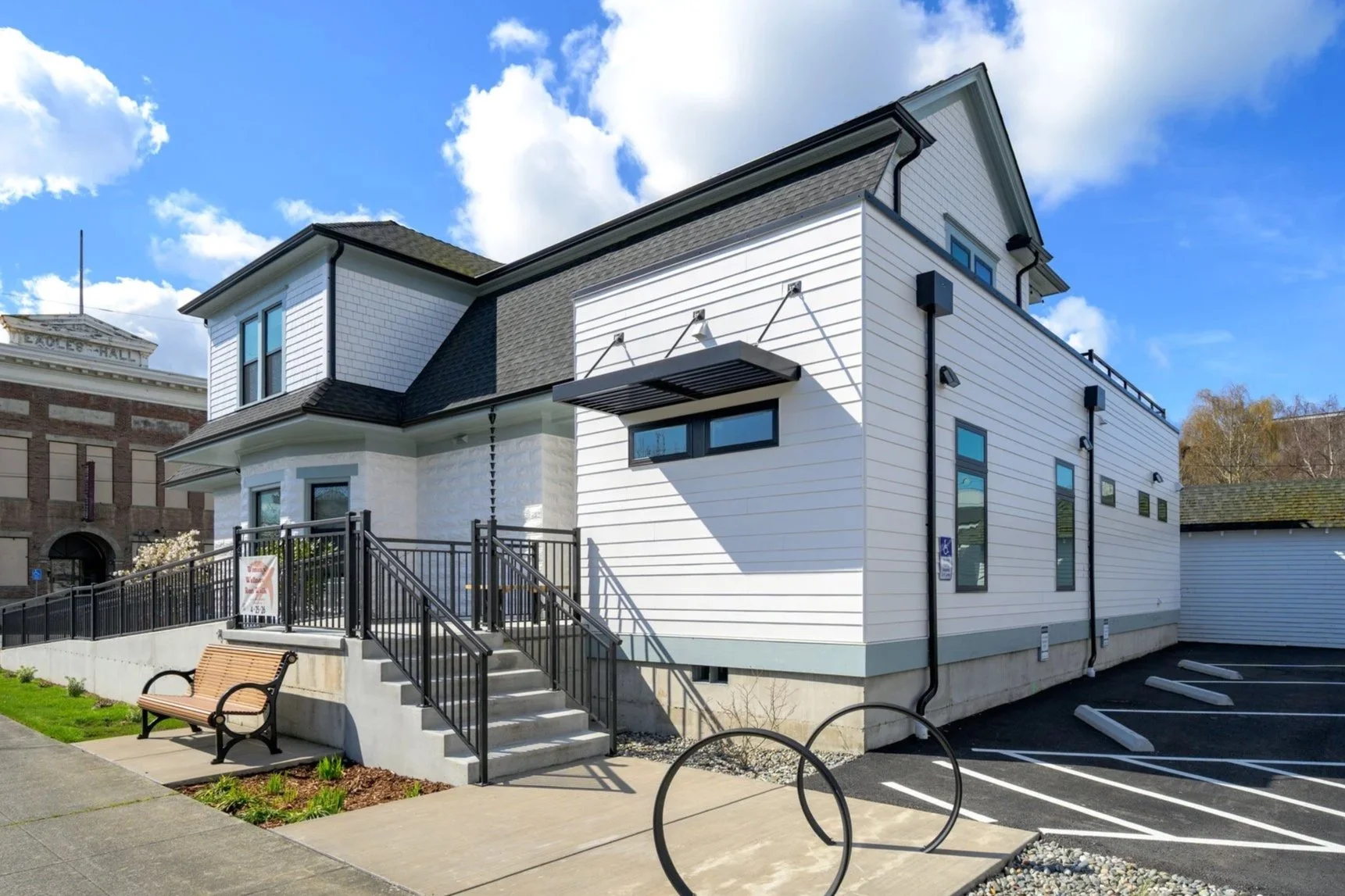

Opened May 2026!
902 7th Street, Suite 103 - a new addition and also part of The Holding Space Birth & Wellness Cooperative
“A birth center is a health care facility for childbirth where care is provided in the midwifery and wellness model. The birth center is freestanding and not a hospital. Birth centers are an integrated part of the health care system and are guided by principles of prevention, sensitivity, safety, appropriate medical intervention and cost-effectiveness. While the practice of midwifery and the support of physiologic birth and newborn transition may occur in other settings, this is the exclusive model of care in a birth center.” -The American Association of Birth Centers
The birth center respects and facilitates a birthing person's right to make informed choices about their health care and their baby’s health care based on their values and beliefs. The person's family, as they define it, is welcome to participate in the pregnancy, birth, and the postpartum period.
our mission
Anacortes Birth Center provides a safe and welcoming space for people to experience a well-supported, peaceful birth with minimal intervention. Our certified nurse-midwives offer personalized, evidence-based care and maintain continuity of care in the event of hospital transfer. We serve as dedicated guardians of body, mind, and spirit—shepherding each birthing journey safely and peacefully.
Statistics
2%
WA state PREGNANT PEOPLE who choose home birth OR BIRTH CENTER BIRTH
88.3%
VAGINAL BIRTH RATE FOR FIRST TIME PARENTS WITH HEAD DOWN BABY WHEN DELIVERING OUTSIDE THE HOSPITAL IN WA STATE
76.1%
VAGINAL BIRTH RATE FOR FIRST TIME PARENTS WITH HEAD DOWN BABIES WHEN DELIVERING IN A WA STATE HOSPITAL
There are many studies comparing the safety of community birth (home birth and birth center birth) to hospital birth. These studies show that planned home or birth center births, for low-risk clients, attended by qualified midwives, are as safe, or safer than, hospital births. Overall, when choosing a community birth, interventions are reduced and satisfaction is increased.
While only 2% of pregnant people choose planned out-of-hospital birth in the US, it is more common in the state of Washington. In a study published in November of 2021, looking at over 10,000 planned out-of-hospital births, it was shown that the risks were low. First time (nulliparous) clients were more likely to transfer to the hospital (30%) or have a cesarean birth (11.4%) with those rates much lower for patients having their second or third baby (multiparous) (4.2% rate of transfer and 0.5% cesarean rate). To compare these rates to hospital births in Washington State, the nulliparous rate of cesarean (NTSV) is 23.9% and the overall national rate in a 2024 study is 25.3%. The rate of emergent transfers to the hospital in this study was under 5%.
The perinatal mortality rate after the onset of labor (intrapartum and neonatal deaths through 7 days) was 0.57 (95% CI 0.19-1.04) per 1,000 births. Rates for other adverse outcomes were also low. Compared with planned birth center births, planned home births had similar risks. This shows that home birth can is a safe option for low risk women.
Birth Outcomes for Planned Home and Licensed Freestanding Birth Center Births in Washington State. Nethery E, Schummers L, Levine A, Caughey AB, Souter V, Gordon W. Obstetrics and Gynecology, 01 Nov 2021, 138(5):693-702. Read full article
A birth center birth may be a good fit for you if you:
Desire a calm, home-like environment for labor and birth
Value a low-intervention, physiologic approach to birth
Plan to avoid pain medication such as narcotic medication and epidural analgesia
Desire the freedom to move, change positions, and follow your body’s cues during labor
Enjoy access to water for comfort, and want the option of waterbirth
Meet criteria for community birth
Photo Gallery

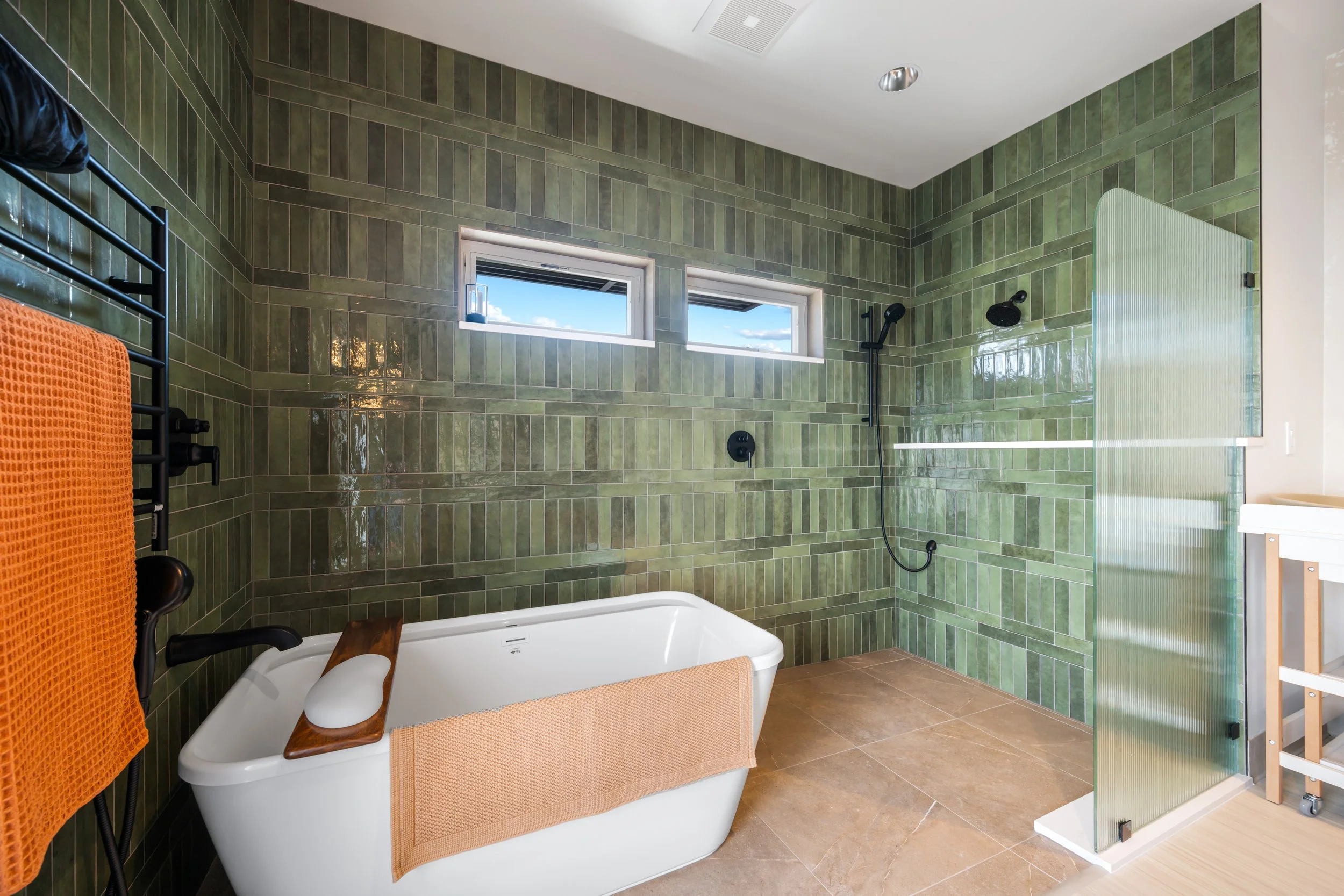


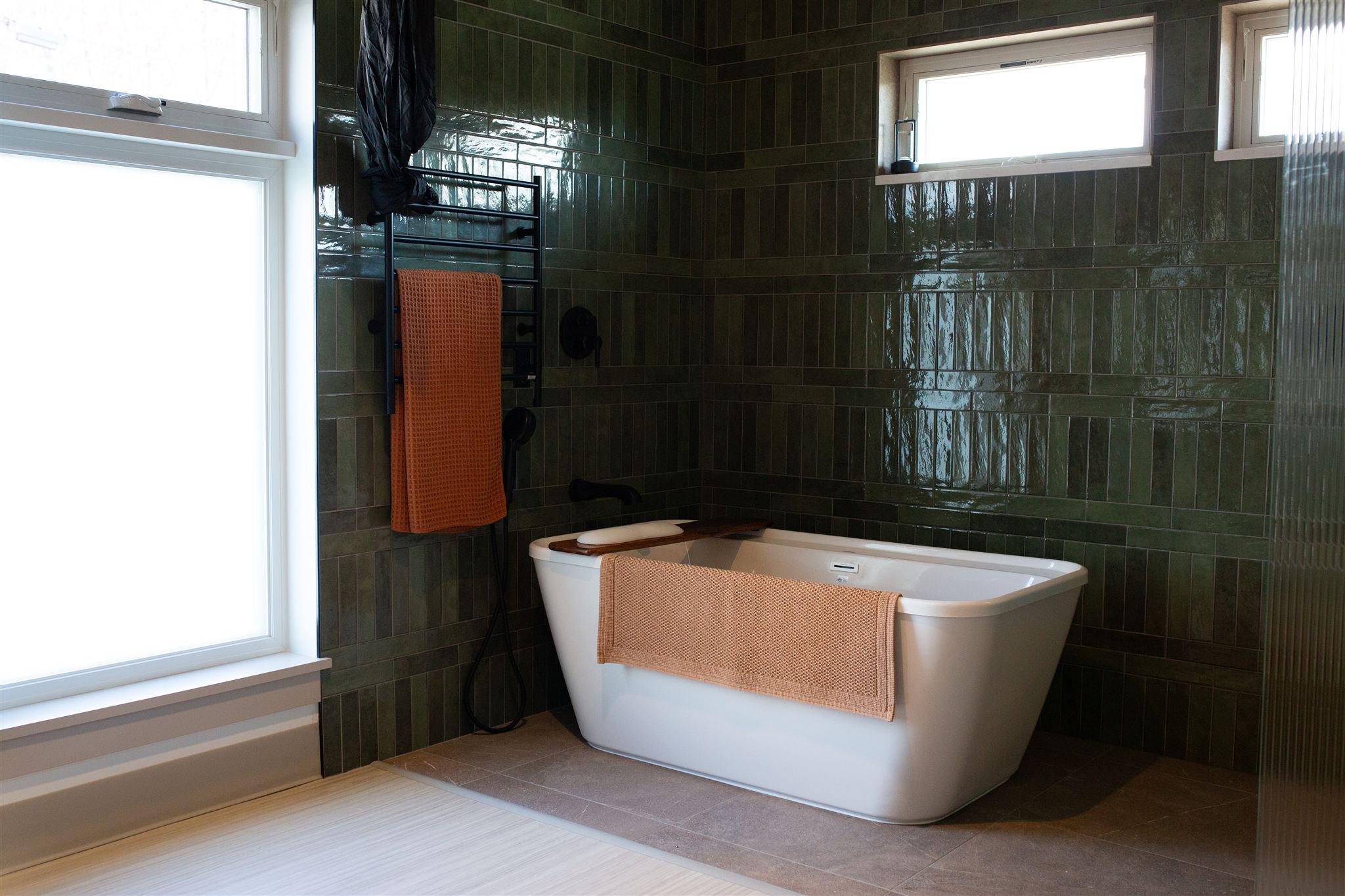

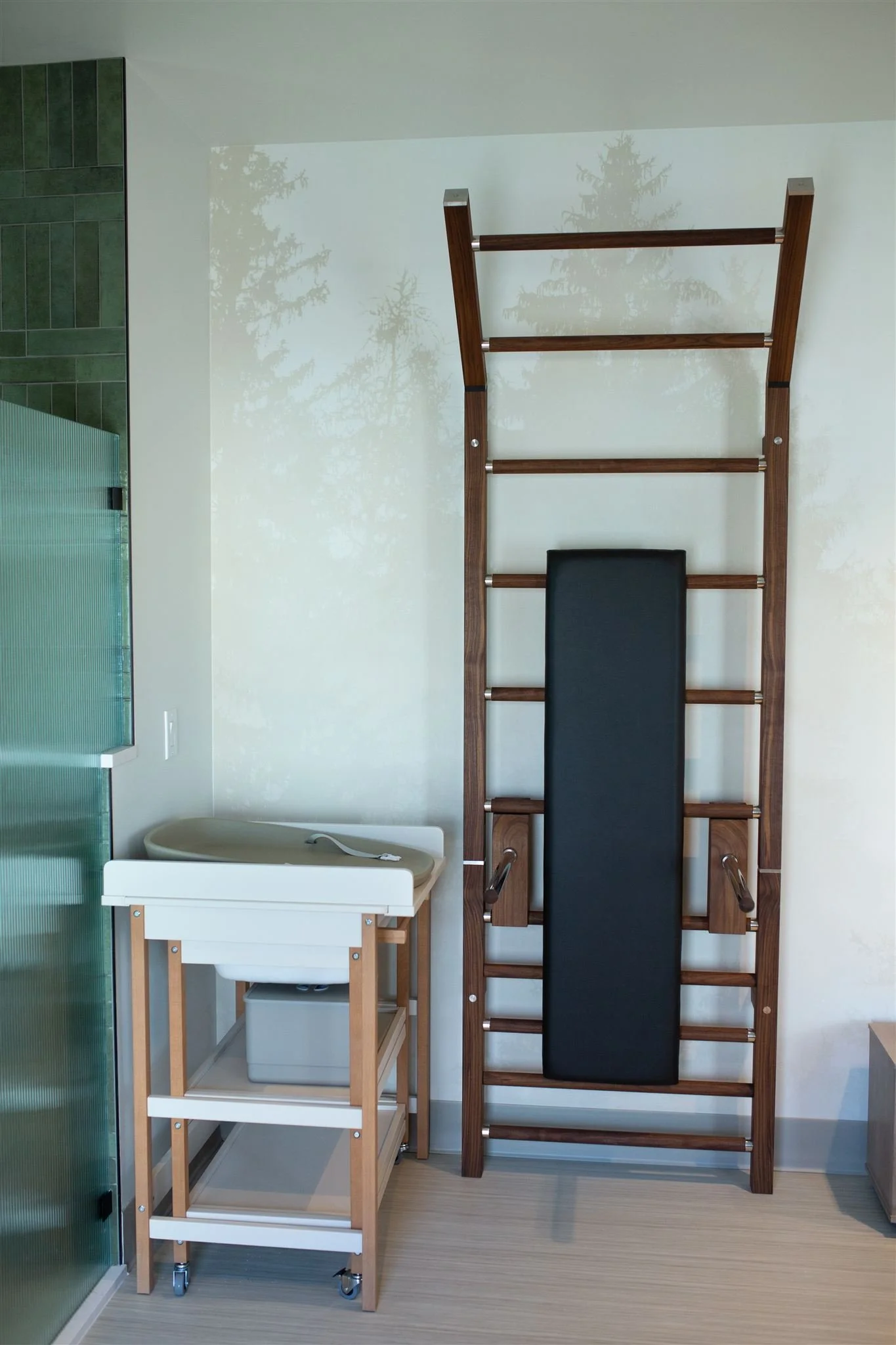
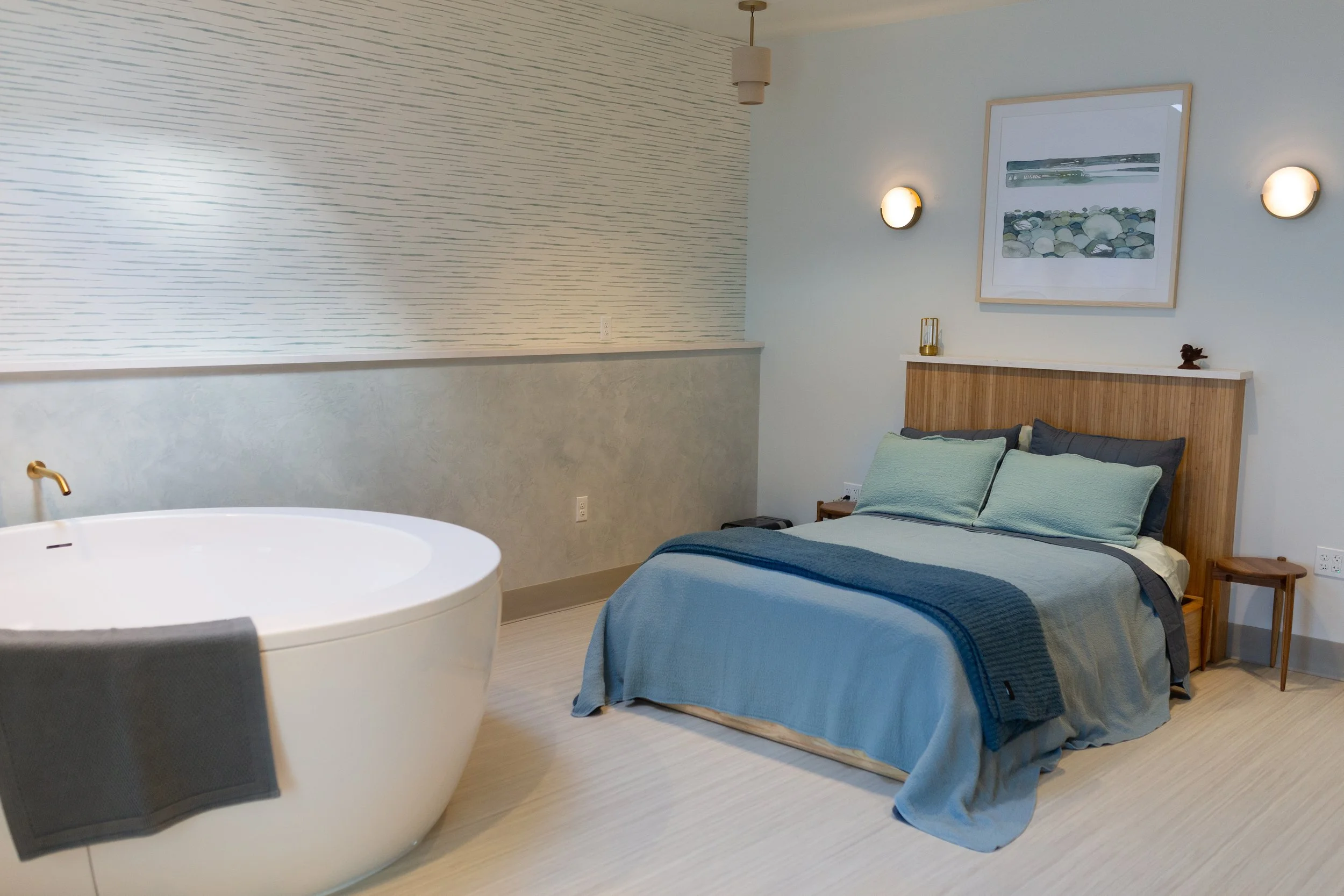
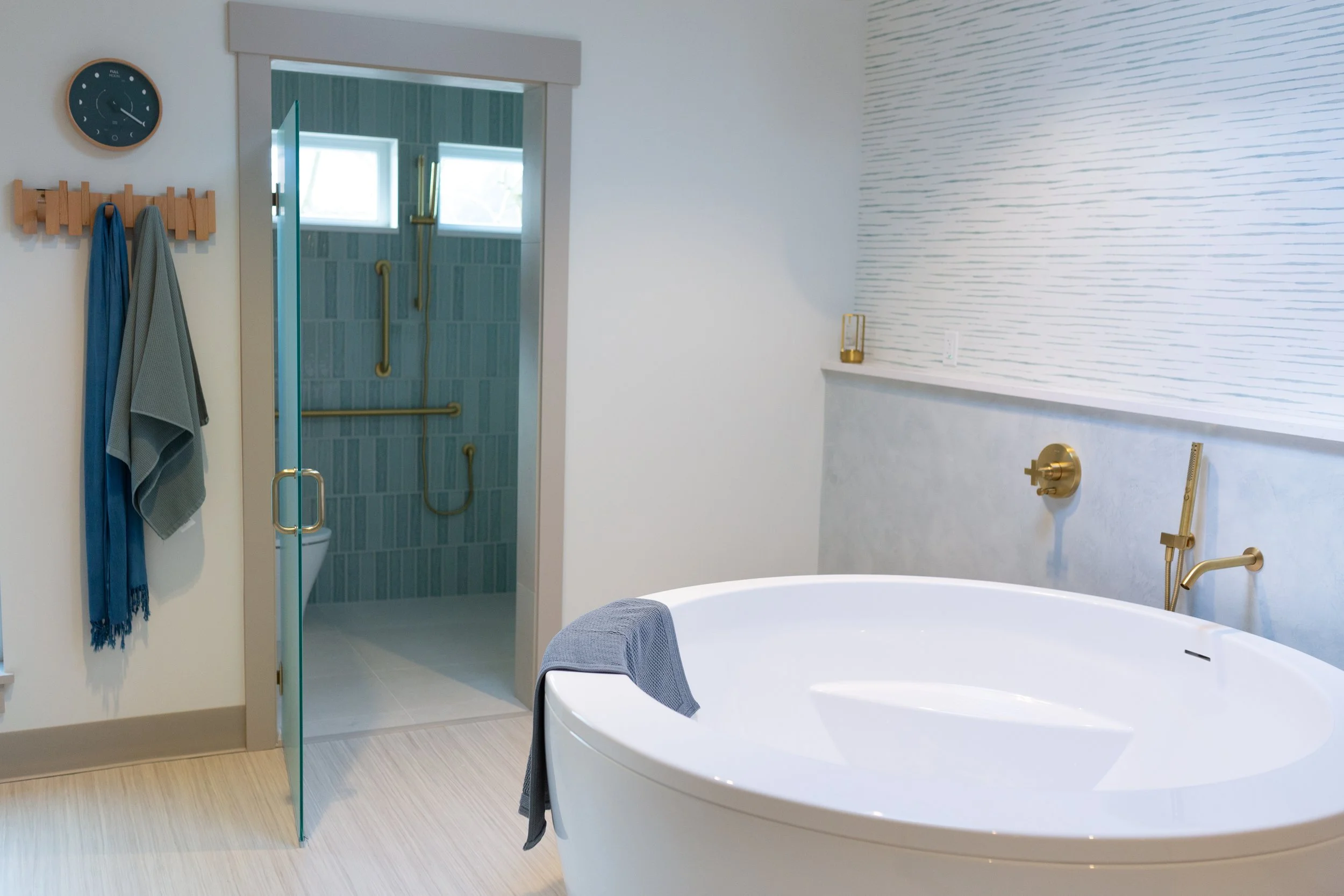
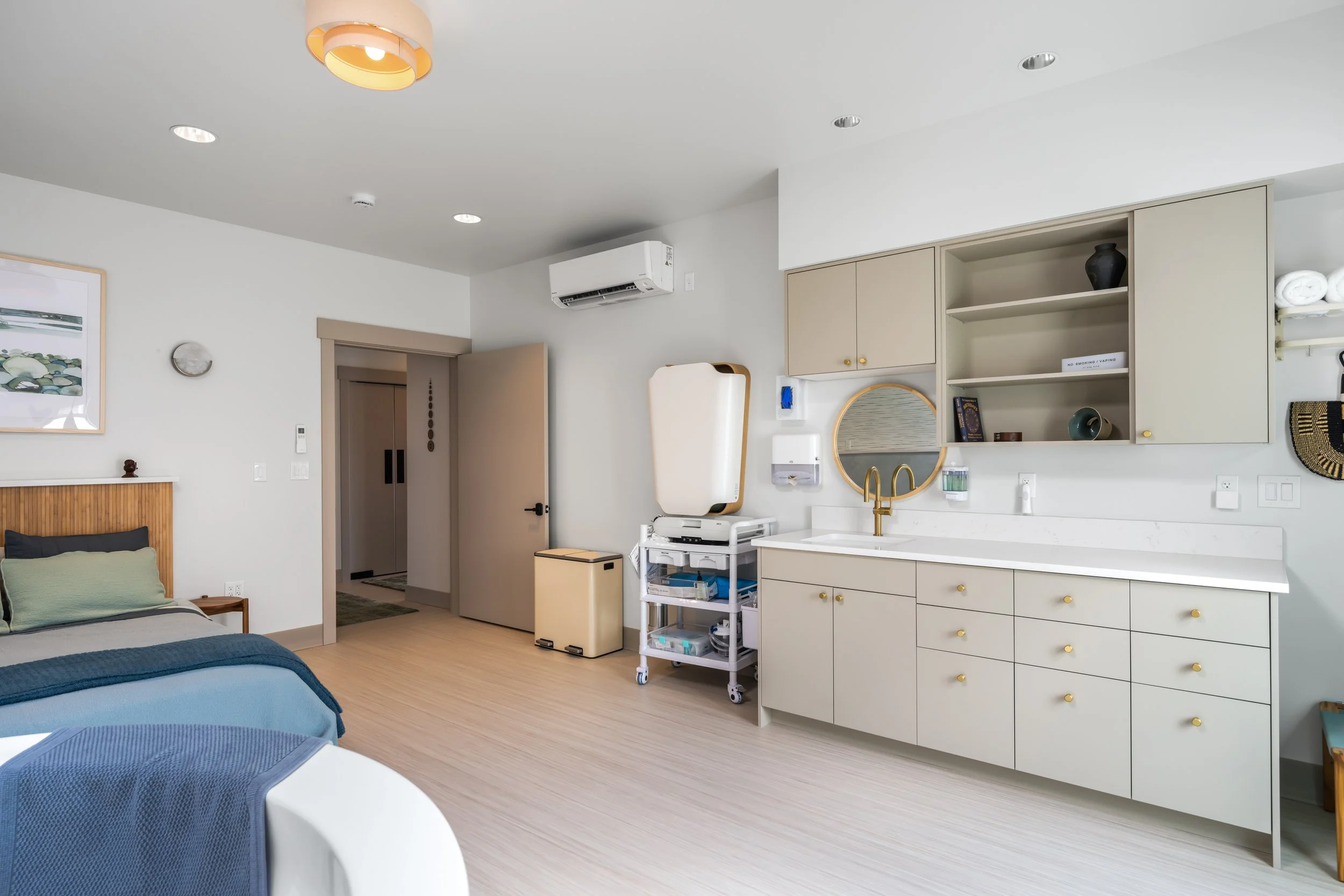
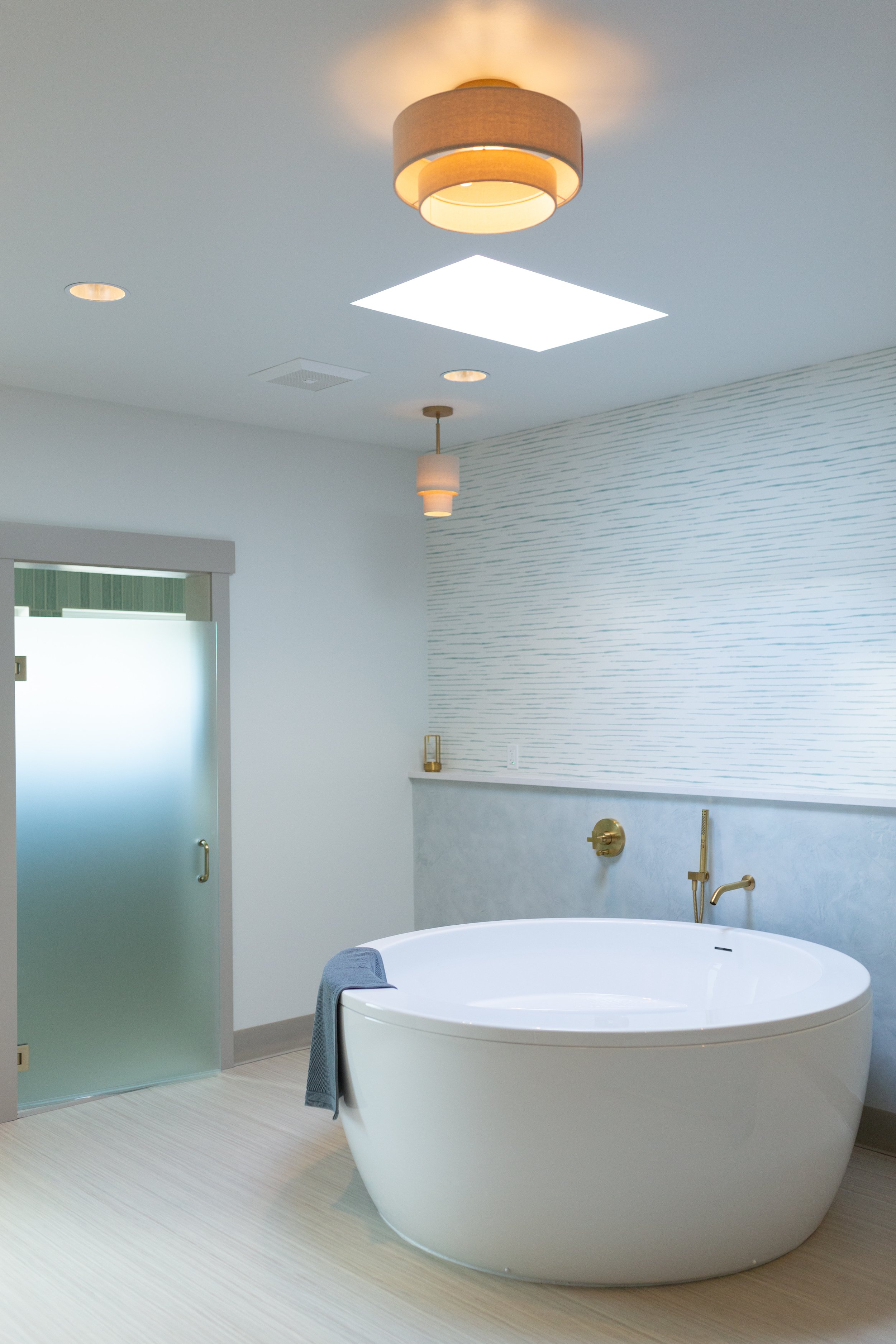
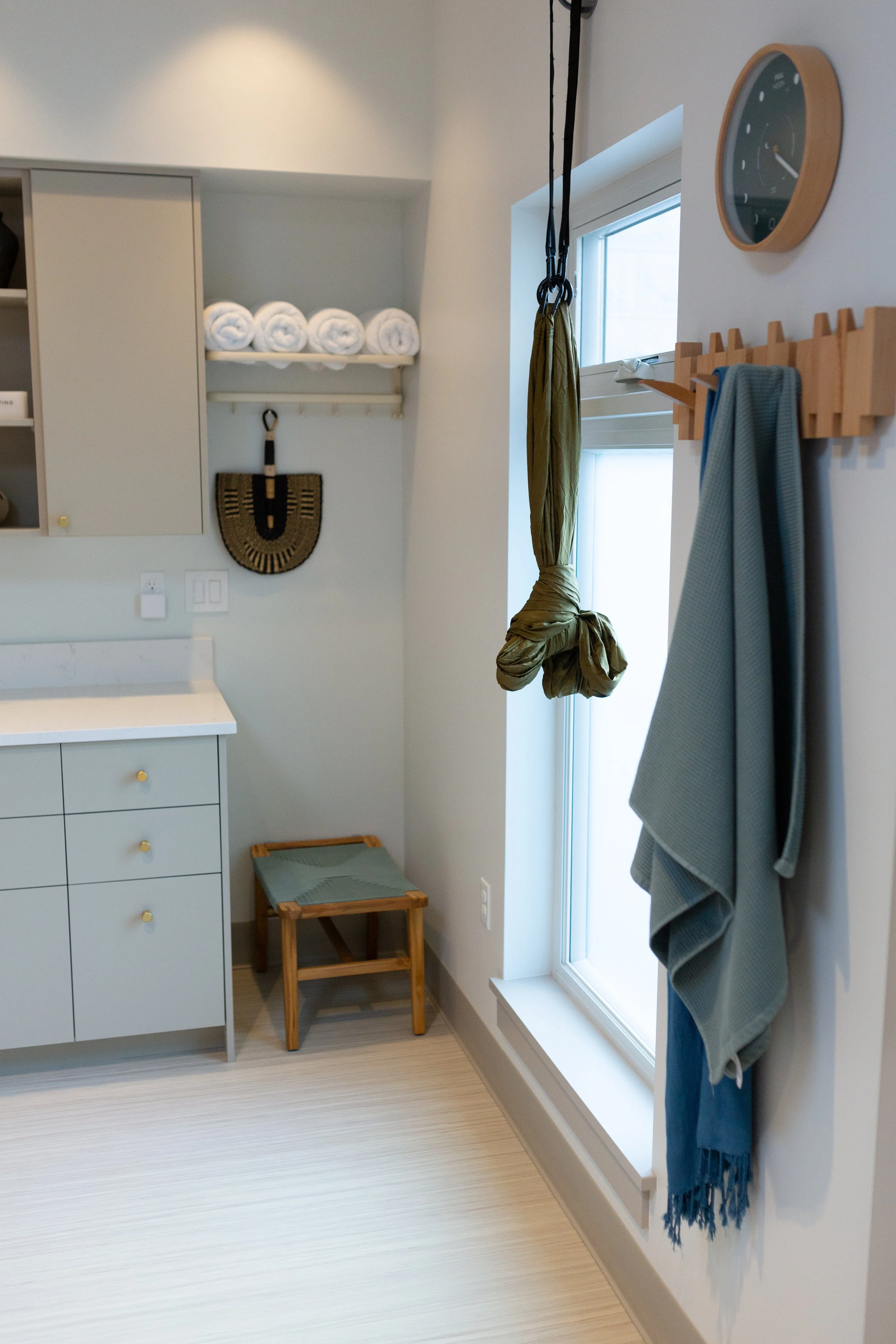
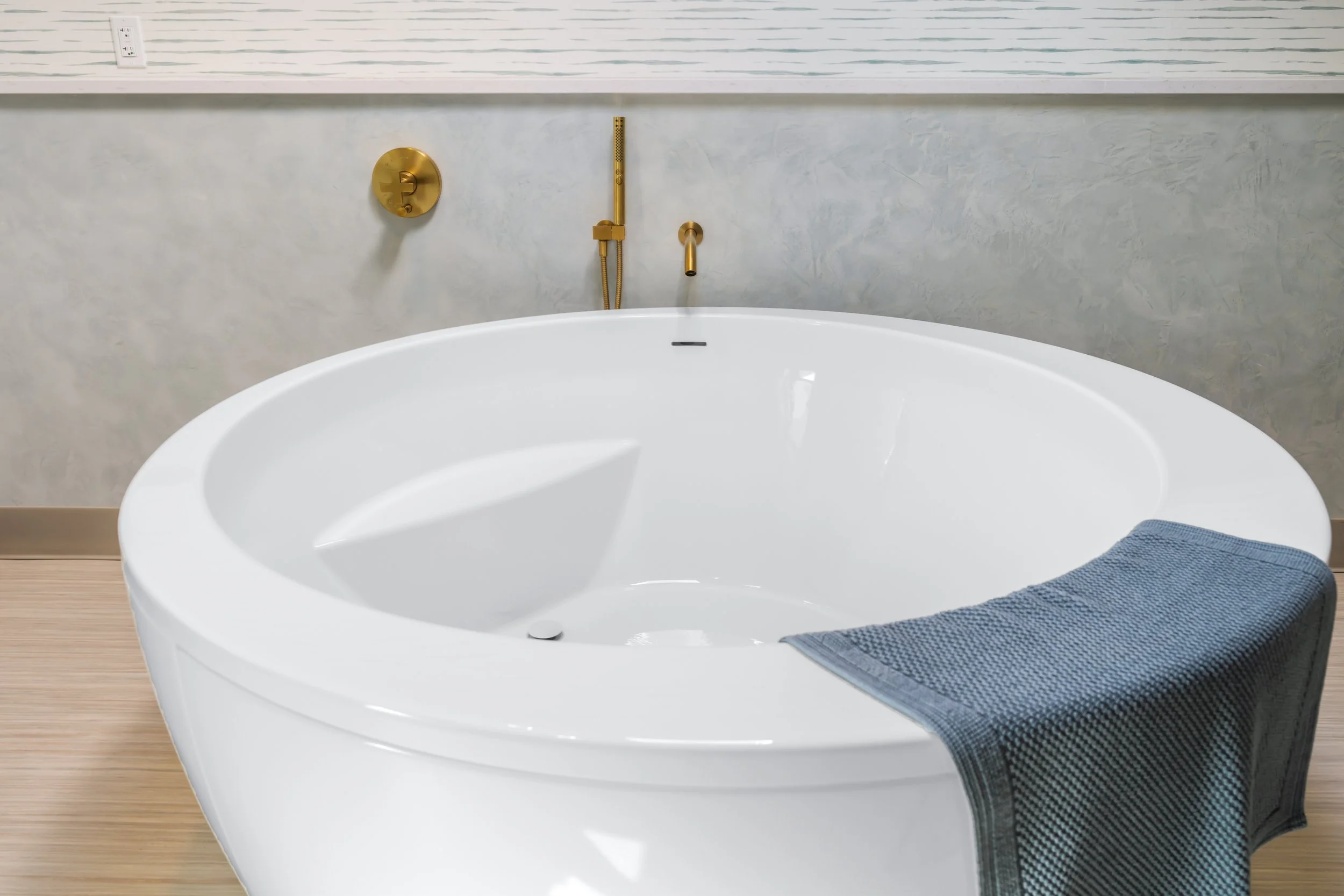
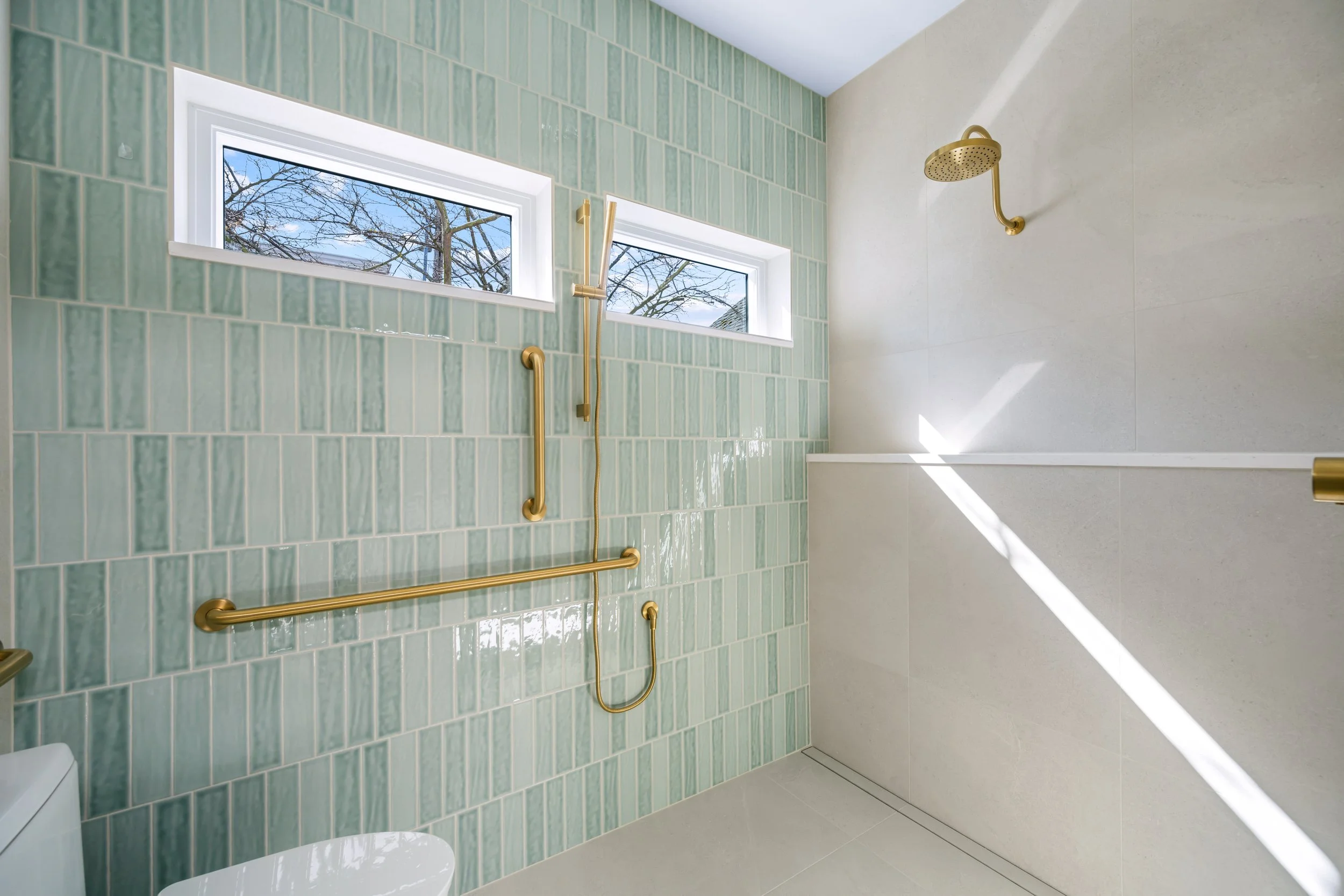
Forest Room
Water Room

Confidence matters
Birth is a full-body, full-heart experience
-
Preparing for a low-intervention birth can help you feel more grounded, capable, and supported.
Stay active, and nourish and hydrate your body in ways that feel sustainable.
Take a childbirth preparation class to better understand the process of labor and how your support team can show up for you
Consider hiring a doula—especially for your first labor—for continuous, experienced support
Attend our birth center class to go over consents, explain how we care for you during birth, and answer any questions along the way
-
Doula support has been show to improve the experience of labor and birth outcomes
Hydrotherapy- submersion in water has been shown to decrease the intensity of labor
At ABC, you also have access to showers, birth stools and birth gear focus on promoting movement and physiologic birth: yoga balls, peanuts, a CUB chair, and birth slings.
-
There are two birthing suites:
The Forest Room
The Water Room
Each room has a double bed, shower, tub, toilet, sink, and space to move around.
The Forest Room also has Swedish workout bars.
-
We stock all of the same medications available at a hospital:
IV fluids and nausea medication
Antibiotics
Lidocaine for repair if a laceration occurs
Medications to prevent and manage postpartum hemorrhage
Newborn medications and more
Miranda is a neonatal resuscitation instructor and we maintain newborn resuscitation equipment and specialized training (NRP certifications) for the rare cases when babies need a little bit of extra help.
We have nitrous oxide for pain management (because it is not covered by insurance, it is an additional cost).
-
For you:
Clothes to wear for your birth such as light bathrobe, bathing suit top, tank top or bra, non-slip socks and/or slippers
Short bathrobe or button down pajamas/flannel for early postpartum
Clothes to wear home after the birth
Slippers, gripper socks or flip flops or shower shoes if desired
Charger
Toothbrush and toothpaste
Food to eat in labor- Protein snack or meal for after delivery
Water bottle
Lip Balm
Essential oils (if desired)
For your partner:
Bathing suit, in case they want to get into the tub with you
Gripper socks
Change of clothes, in case clothes get wet/dirty
Toothbrush and toiletries
Camera
Food, snacks
For baby:
Clothes to go home in
Hat, socks & a blanket (season dependent)
Carseat - needs to be installed in your car; please practice with straps and consider some time with a car seat specialist or at one of her monthly meetings
-
To be eligible for a birth at Anacortes Birth Center you need to be in overall good health with a singleton pregnancy
Have no significant medical or obstetric risk factors
Have spontaneous onset of labor between 37 weeks 0 days and 41 weeks 6 days
Have a support person available during labor and postpartum
Attend required prenatal visits and educational sessions
Limitations
While we do offer labor after cesarean, please understand that Island Hospital does not and if transfer is required, a cesarean birth will be recommended
Because newborns born by vaginal breech birth are more likely to require resuscitation, we do not offer vaginal breech birth at the birth center
-
IslandHealth is 1.2 miles from Anacortes Birth Center if a transfer is necessary or requested. Kelly and Miranda can continue caring for you there unless you or your baby require a higher level of care. We work closely with pediatricians, OBGYNs and Family Medicine doctors and they will be involved when appropriate.
-
Discharge home from Anacortes Birth Center is typically 4 hours after the birth.
Planning for support at home - meals, help caring for other children and pets, cleaning and laundry, yardwork, etc. is something we recommend doing long before baby is here.
-
After you are discharged from Anacortes Birth Center, we will see you back in our office 24-48 hours later for follow up.
This visit includes vital signs, newborn weight, and more.
Newborn screenings at that visit include the metabolic screen, jaundice screening and cardiac defect screening.
Hearing screening is not available at Anacortes Birth Center. We will provide information for you to get those done at IslandHealth or Skagit Regional Medical Center - in their labor and delivery units.
-
During your first appointment, you will be sent a link for our biller to provide you with a cost estimate based on your insurance plan, coverage, and deductible.
We are currently working on insurance contracts to be an IN-network facility for all insurances. Stay tuned!
We are currently IN-network with:
Cigna (10/2026)
First Choice (8/2026)
Regence (11/2026)
TriWest (7/2026)
-
There will always be at least 2 people present for your birth.
A midwife (Miranda or Kelly) will always be there
A nurse will be present as a birth assistant
We frequently have student midwives and you will have met them in clinic and planned for their presence during birth planning
You are welcome to bring your team - partner, doula, family members - whoever feels good to have there
-
CNM - certified nurse-midwife
RN- registered nurse
NRP - neonatal resuscitation
BLS - basic life support
IBCLC - international board certified lactation consultant (Kelly carried this credential for several years and allowed it to expire in 2025)
-
Please click this link to provide feedback or concerns about your interaction with Anacortes Birth Center.
https://forms.gle/Q9RxzyG8wLqjumsh7
What IS High risk?
What about water birth?
Anacortes Birth Center is accredited by the